Stitch Pattern
First Impressions: A Designer’s Take
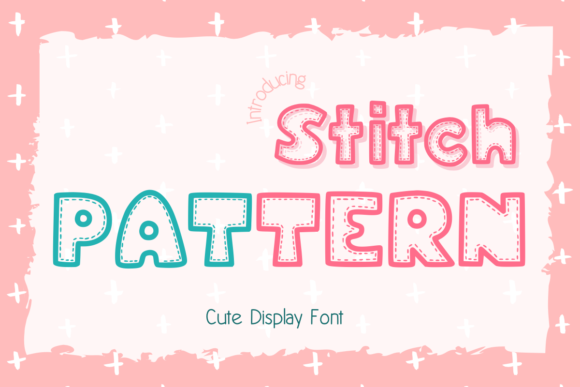
As an embroidery designer working with small boutique brands, I’ve had the chance to review countless fonts and patterns. Stitch Pattern caught my eye immediately. The transparent letters paired with a sewing pattern aesthetic give it a unique charm that feels both nostalgic and modern. It’s the kind of design that makes you pause—like you’re looking at a vintage sewing manual turned into a digital asset.
Mood and Layout: Cute, Playful, and Versatile
The Stitch Pattern font has a soft, whimsical feel. The transparency adds a layer of sophistication, while the patterned background gives it a tactile quality. This makes it ideal for a range of applications—from sweatshirt embroidery to custom apparel. It doesn’t scream boldness but instead invites a more subtle, thoughtful interaction. On a neutral sweatshirt, it could act as a quiet statement, while on a pastel color, it might pop just enough to feel playful.
Design Personality: Feminine, Rustic, and Minimal
Stitch Pattern leans into a feminine and rustic vibe without being overly ornate. It’s not too busy, which is a big plus when considering how it will translate to fabric. The minimal layout ensures it can be scaled down or up without losing its essence. This adaptability is key for handmade product lines where consistency across different sizes and placements matters.
Embroidery Application: From Hoodie Chests to Back Designs
When thinking about sweatshirt embroidery, Stitch Pattern offers a lot of flexibility. Its clean lines make it suitable for chest placements, where it can serve as a signature detail without overwhelming the wearer. For oversized hoodies, it could be used as a sleeve accent or even a back design, adding a touch of personality without being too intrusive.
It’s also great for custom apparel branding. Whether it’s a logo or a tagline, Stitch Pattern can help build visual recognition for a boutique brand. In lifestyle product photography, it complements cozy, seasonal apparel well, especially in winter collections or springtime pastels.
Practical Concerns: Thread Contrast and Stitch Density
One of the first things I consider when reviewing a font for embroidery file use is thread contrast. Stitch Pattern’s transparent nature means that the thread color becomes the focal point. This opens up creative possibilities—using muted tones for a minimalist look or bright colors for a bold statement. However, it also requires careful consideration of thread colors to ensure readability and visual impact.
Stitch density is another important factor. Since Stitch Pattern is a display font, it may require a higher stitch count to maintain clarity, especially when scaled down. As a designer, I’d recommend testing the design on a sample fabric before full production to assess how it holds up under different conditions.
Fabric and Stabilizer Considerations
The texture of the fabric plays a role in how Stitch Pattern appears. On thick, heavy fabrics like cotton blends, it may sit more firmly, while on lighter materials, it could appear slightly looser. Stabilizer choice is crucial here—using the right type can help maintain the design’s integrity and prevent puckering or distortion.
For small shop product lines, ensuring that the embroidery file is compatible with your hoop size is essential. If the design is too large, it may not fit within standard hoop dimensions, which could lead to incomplete stitching or the need for resizing—a process that can affect the final appearance.
Durability and Commercial Use
When preparing for commercial embroidery, durability is a concern. Stitch Pattern’s delicate look could be at risk if not properly stabilized or if the fabric isn’t treated correctly. Washing tests are recommended to ensure that the finished product maintains its shape and appearance over time. This is particularly important for digital embroidery file users who may be selling custom apparel online.
Despite these considerations, Stitch Pattern feels strong enough for commercial embroidery when executed correctly. It’s a great option for Etsy sellers or small shop owners looking to add a unique, handmade element to their product line.
Brand Identity and Customer Engagement
Using Stitch Pattern can significantly impact brand identity. Its rustic and feminine qualities align well with boutique aesthetics, helping to create a cohesive visual language. For handmade product lines, this font can enhance the overall presentation, making each piece feel intentional and curated.
From a customer engagement standpoint, Stitch Pattern has the potential to stand out in a crowded market. It’s the kind of design that invites curiosity and conversation, which is perfect for small shop product listings or printable mockup previews. When used consistently across a collection, it can help build trust and reinforce brand recognition.
Final Thoughts: A Thoughtful Choice for Boutique Brands
In conclusion, Stitch Pattern is a versatile and charming font that could work well for a variety of custom apparel projects. While it may require some adjustments in terms of thread colors, stitch density, and hoop size, its aesthetic appeal and adaptability make it a strong contender for boutique brand lines. Before moving forward, I recommend checking the design assets for details like file format and license terms to ensure everything aligns with your production needs.